
The Freedom Conservatism Statement of Principles addresses nearly every major issue in American politics today, from free enterprise, religious pluralism, and the rule of law to immigration, technological change, and foreign policy.
The hundreds of leaders who’ve signed the statement — as well as the many thousands of like-minded conservatives who work in our movement and the millions of Americans who share our values — embrace these FreeCon principles as guides and starting points even as they differ on some matters of interpretation and application.
Among the topics mentioned in the statement, however, FreeCon signatories purposefully lifted up three causes about which we offered specific commitments: to reduce the cost of living, to “restore America’s fiscal sustainability,” and to expand opportunity “for those who face challenges due to past government restrictions on individual and economic freedom.”
Today we focus on that third commitment. The FreeCons we spotlight have demonstrated their passion for equal opportunity by fighting for reforms designed to help more people achieve the American Dream.
Competition moats
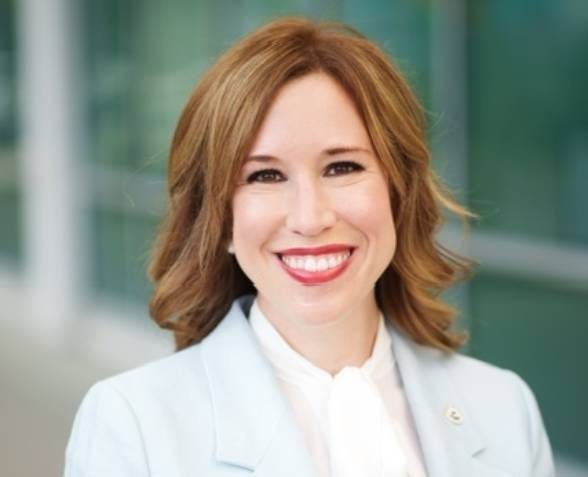
Sarah Harbison is general counsel for the Pelican Institute for Public Policy, where she files strategic lawsuits challenging federal overreach and laws that burden economic and individual liberties. Harbison is also a FreeCon signatory.
A former attorney in civil practice, she has also worked on campaigns for president, U.S. Senate, governor, state treasurer, and secretary of state in Louisiana.
In a recent Washington Post op-ed, Harbison criticized licensing laws that inhibit professional development and entrepreneurship among America’s most-disadvantaged populations. “Vested interests will always seek to use licensing as a competitive moat rather than a consumer protection,” she argued.
Citing a case involving Louisiana regulations, Harbison wrote that hair braiding “illustrates exactly how licensing regimes get turned against the people they claim to protect. Thirty-seven states have exempted braiders from licensure entirely, recognizing that a skill passed down through generations and practiced safely across the country simply doesn’t require government permission.”
Federal wealth gate
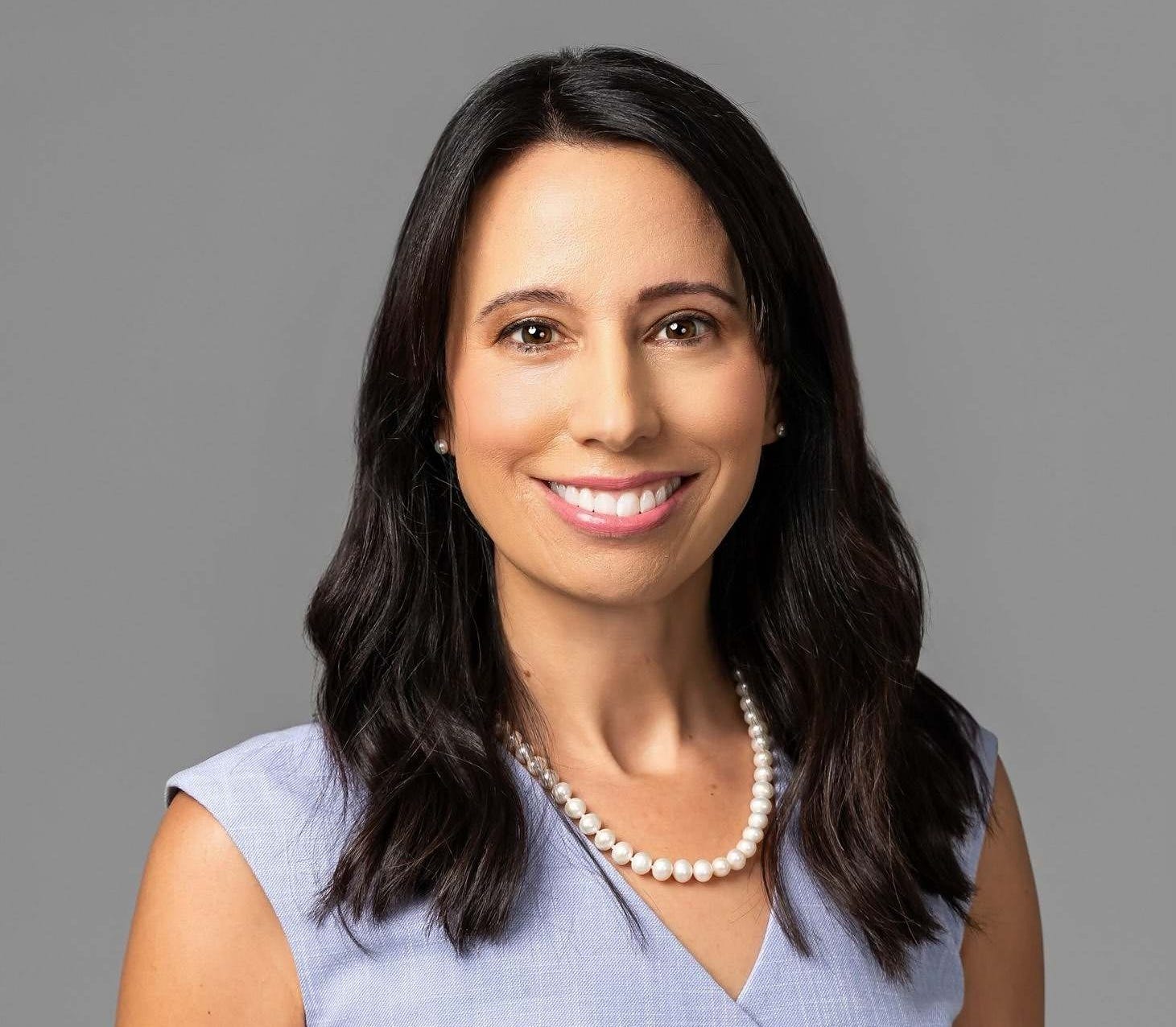
Wendy Damron is the president of Palmetto Promise Institute, a South Carolina-based nonprofit dedicated to advancing free markets, individual liberty, and limited government. A member of her state’s advisory committee to the U.S. Commission on Civil Rights, Damron is also a FreeCon signatory.
In a recent piece for the South Carolina Daily Gazette, she explained that the Securities and Exchange Commission’s restrictions on accredited investing bars Americans from private markets — including venture capital, angel investments, and startup equity — unless they have a net worth above $1 million or annual income above $200,000.
Almost two million of her state’s 2.1 million households “are locked out entirely — even as venture capital firms have closed over $1.8 billion in South Carolina deals between 2018 and 2023,” Damron wrote with coauthor Nicholas Morgan. “The opportunity is flourishing here. Most South Carolinians simply are not allowed to access it.”
This “federal wealth gate” controls even those seeking to claim state tax breaks such as those South Carolina offers.
“A Boeing engineer in North Charleston or a Medical University of South Carolina researcher in the Charleston Medical District — people who understand local industries better than any Wall Street analyst — could not use South Carolina’s tax code to back a local startup unless they first clear Washington’s arbitrary net worth hurdle.”
Abundance state of mind
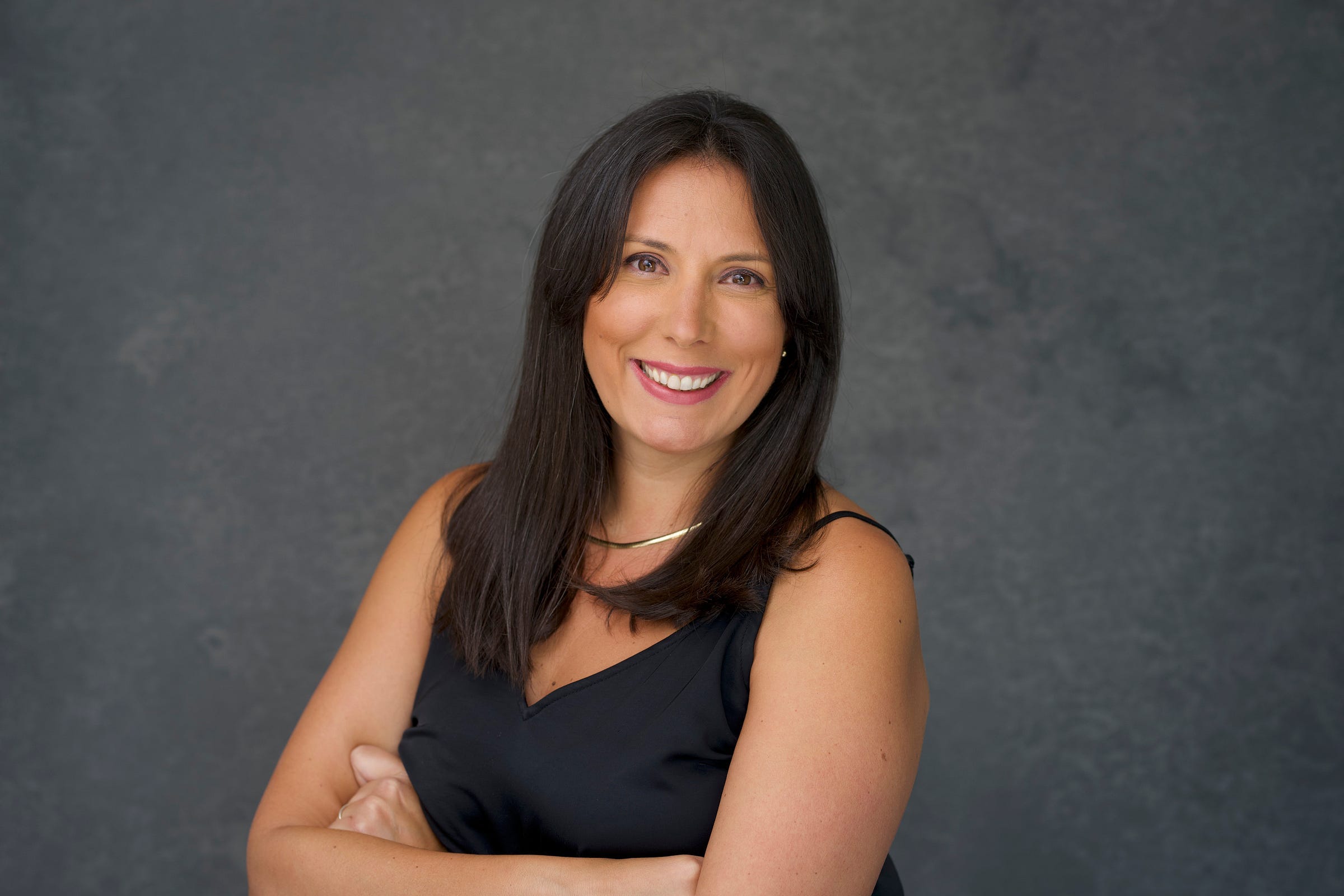
Laura Maristany is director of external affairs at Bitwise Industries and a FreeCon signatory.
Maristany served as chief federal advocate and director of the D.C. office for the National Association of Latino Elected and Appointed Officials and as executive director of legislative affairs for the Hispanic Association of Colleges and Universities. She has also helped launch such organizations as Representative Democracy and the Women’s Public Leadership Network.
In a recent interview with Interfaith America, Maristany said that to address the country’s problems effectively, “we need to have different perspectives. That means that we need to have the tools to actually engage.”
“So often across my career, and in different settings, we talk a lot about pluralism. We talk about belonging. We’re humans. We have to work a little bit harder not to be tribal and to open up in an abundance state of mind to actually solve problems.”
Maristany encouraged her fellow Americans to reflect on “the things that we’ve done really well and where we can continue to build this amazing country” and “continue to welcome all of the differences that have made it great.”
Build starter homes
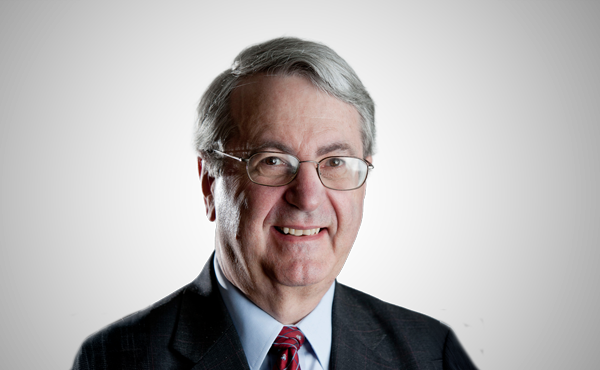
Edward J. Pinto is a senior fellow and co-director of the AEI Housing Center at the American Enterprise Institute. He’s also a FreeCon signatory.
A former executive vice president and chief credit officer for Fannie Mae, Pinto is frequently interviewed on radio and television and often testifies before Congress. His writings have been published in trade publications and the popular press, including in the American Banker, The Hill, RealClearPolitics, and The Wall Street Journal.
In a recent AEI report coauthored by Tobias Peter, Pinto described how freeing up state and local regulation to encourage the construction of more starter homes would expand homeownership in many communities across the United States, including those with significant minority populations.
“Latino demand for starter homes is substantial,” they wrote, with 66% of Latinos agreeing that “having more affordably priced starter homes in their community is extremely or very important.”
New construction expands access in two ways. “Building homes at or below the Latino home-price opportunity threshold directly expands the supply of homes within reach of Latino starter-home-ready households,” they explained. Moreover, building “somewhat higher-priced homes” can also help by “enabling existing homeowners in lower-priced homes to move up, freeing those homes for other buyers, including starter-home-ready Latino households.”
In the mix
• At Law & Liberty, FreeCon signatory John Shelton reviewed a new book entitled The New Conservatism and Its Critics that explores many subjects of interest to Freedom Conservatives.
“A genuinely conservative polity should seek to preserve the conditions under which a free people can cultivate the goods that make freedom worth having,” wrote Shelton and his coauthor, Mitchell Bahnsen. “That requires prudence, moral seriousness, and political courage. The New Right has correctly identified many of the failures of contemporary conservatism. Its mistake is in believing that the answer to a weakened liberal order is to discard the principles that made constitutional liberty possible in the first place.
“In other words, the New Conservatism fails because it believes that Machiavellian means can yield anything other than Machiavellian ends.”
• In the Houston Chronicle, FreeCon signatories Aaron Pomerantz and Garion Frankel criticized Republican candidate Bo French, who set off a national firestorm with a post complaining about fans of apparent South Asian ancestry cheering on the University of Texas at a recent football game.
Pomerantz (a graduate of the University of Oklahoma) and Frankel (of Texas A&M) are hardly Longhorn fans themselves. “Politics could stand to be a little more like football,” they wrote, not because elections are games but because “football shows that strong identities and strong disagreements do not require exclusion from the larger social order.
“We can passionately support our own side. We can hope our leaders succeed. We can argue, compete and fundamentally disagree with each other’s political parties and perspectives. However, we must also recognize that all Americans have a place in this country.
“College football works because the Aggie, the Sooner, and the Longhorn can hate one another on Saturday while still understanding that all three belong on the field.”
• At The Dispatch, FreeCon signatory James Capretta outlined the Democratic Party’s agenda for health-care reform should they win congressional majorities and the White House by 2028.
While embracing a variety of proposals, the Democratic model can be summarized as “a publicly regulated system, with the government taking on the responsibility of providing affordable coverage options for all Americans, with cost-sharing that is capped relative to household income,” wrote Capretta, who holds the Milton Friedman chair at the American Enterprise Institute.
“If voters opt once again for change in 2028 rather than continuity, it is near certain Democrats will use the power voters granted them to prioritize passage of a major healthcare bill. The GOP could make that scenario less likely to occur if it developed, promoted, and tried to advance an alternative approach.”