
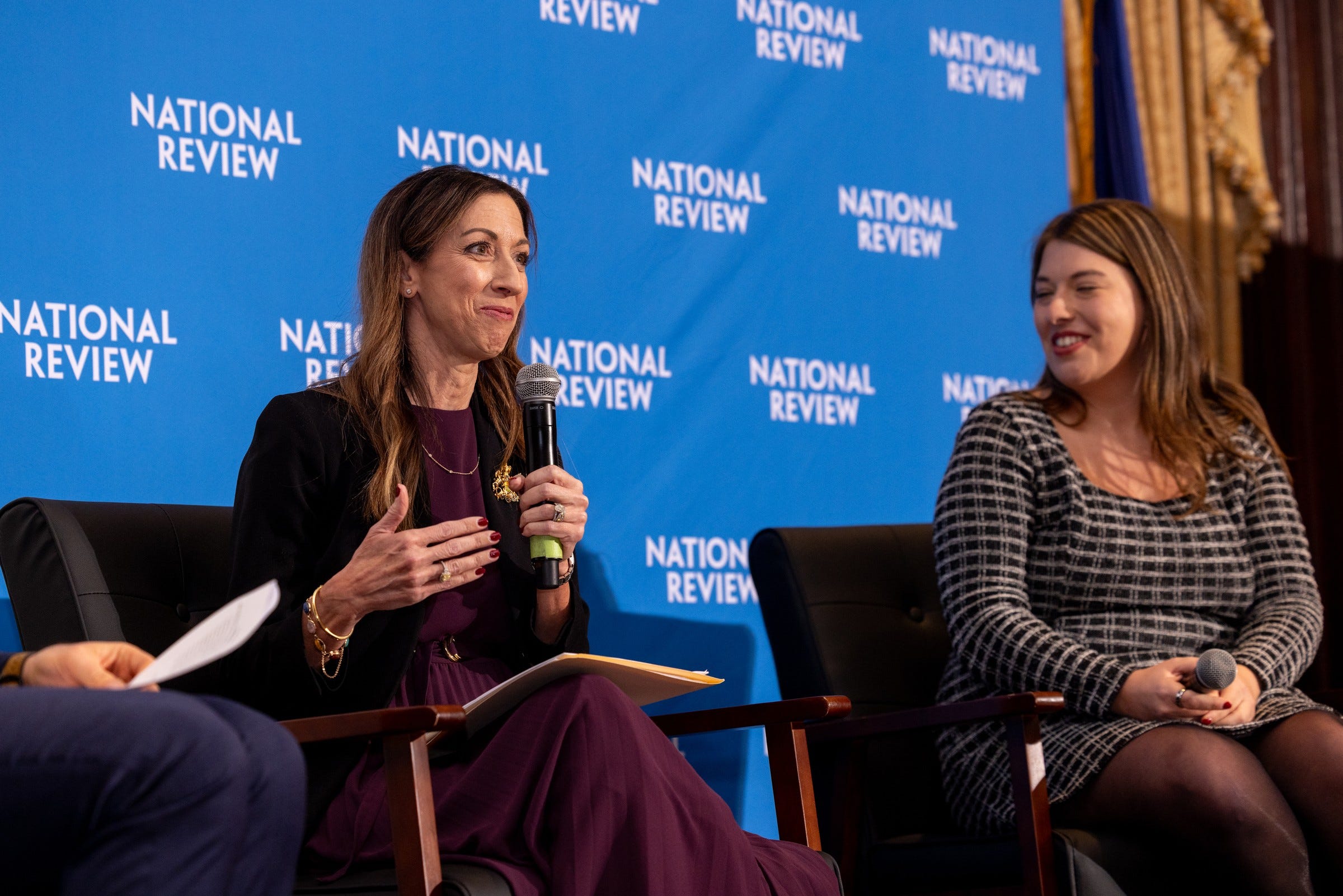
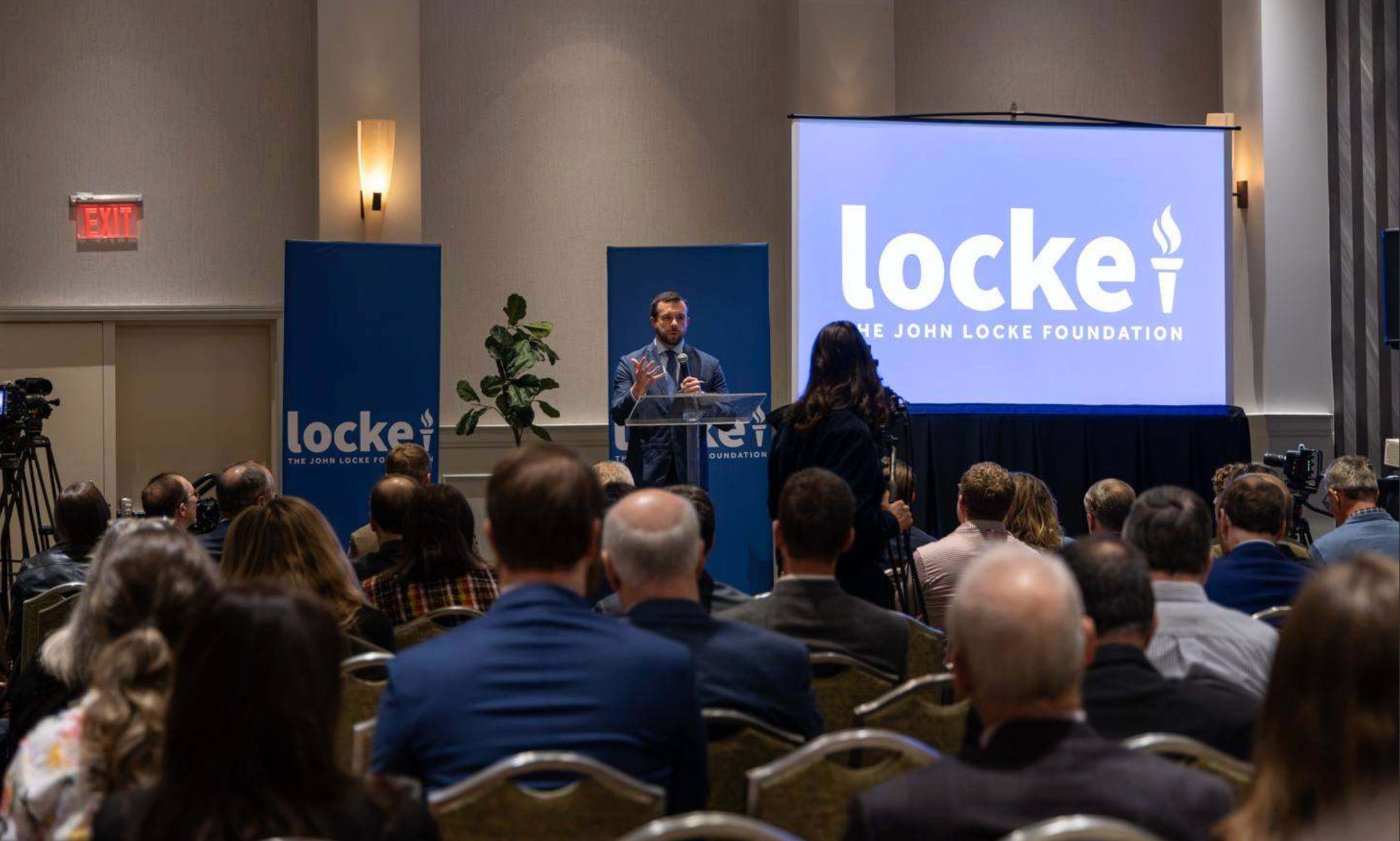
Last week’s FreeCon summits in Phoenix, Philadelphia, and Raleigh and the FreeCon sessions at the 2026 Freedom & Progress Conference were only the beginning of a comprehensive strategy to refocus American conservatism on core principles and rebuild a movement capable of winning electoral majorities and addressing the country’s many challenges.
Over the past decade, the populists of the Dissident Right — National Conservatives, Post-Liberal integralists, and reactionaries — argued that the American Right need to soften or even abandon its commitments to free enterprise, limited government, federalism, fiscal responsibility, the separation of powers, public decorum, and other longstanding themes of American conservatism.
They argued not only that these commitments were mistaken on the merits but also that they constituted political suicide. Only by getting “pretty wild,” as Vice President J.D. Vance once put it, can the American Right and its adherents in the Republican Party gain and maintain power, they claimed.
Well, they ran the experiment they wanted. It proved disastrous.

Nixon-waxing
The 2026 election constituted the worst midterm for the GOP since the post-Watergate bloodbath of 1974. Given that Vance and other nationalists and populists had spent the previous few months attempting to rehabilitate the reputation of the Republican president responsible for that prior debacle, a strategy they proudly labeled “Nixon-maxxing,” the GOP’s loss of Congress, multiple governorships and legislative chambers, and thousands of local offices across the country in 2026 might seem a fitting comeuppance. Unfortunately, it is likely to be accompanied by years of terrible left-wing governance and repeated assaults on conservative policy accomplishments such as tax reform, educational freedom, deregulation, and equal protection.
The NatCons got their tariffs. The voters hate them. The PostLibs got their performatively religious leaders who, in practice, recognize few constitutional or moral constraints on their exercise of power. The voters see such “leaders” as hypocrites and kleptocrats. The reactionaries got their edgelord memes and authoritarian flourishes. The voters see it all as thinly veiled bigotry, chauvinism, and cruelty.
Although many populist leaders and activists remain in denial, everyone else can plainly see the consequences. Longtime GOP voters stayed home in disgust. Others voted for Democrats. So did large swaths of independents who once leaned Republican.

Freedom Conservatives and our allies offer an alternative vision for the Right. While embracing the founding ideas of the American Experiment — themselves drawn from such sources as scriptural truth, civic republicanism, and classical liberalism — FreeCons seek to apply them creatively to such contemporary problems as affordability, family formation, and cultural cohesion.
At last week’s FreeCon events, our speakers and panelists talked at length about these ideas. Increasing the supply of housing and energy. Expanding choice and competition in public services. Giving the next generation a firm grasp of reading, math, science, and civics. Balancing budgets. Encouraging invention and innovation. Inculcating virtue while protecting religious liberty. Welcoming legal immigrants while enforcing the rule of law and order at the border. Promoting American patriotism while combating ethno-nationalism, throne-and-altar authoritarianism, and similar notions imported from foreign cultures.
On the calendar
In 2027, we will explore these and related initiatives in greater detail. Our annual Freedom Conservatism Conference is currently scheduled for April 28 in Washington D.C., so please save that date. More details are forthcoming.
Over the course of the next 12 months, we will also stage more regional summits across the country, more briefings for federal and state policymakers, more training sessions for students and emerging leaders, and more meet-ups at national gatherings of the State Policy Network, the Philadelphia Society, the American Legislative Exchange Council, the Federalist Society, and other organizations.
If you are interested in helping us host such events in your region, association, or professional discipline, please let us know. You can start by emailing John.Hood@jwpf.org and we’ll route your suggestions to the right person or institution.
You can also help expand the ranks of Freedom Conservatives by sharing this newsletter with friends and colleagues (click below), by signing the FreeCon Statement of Principles yourself if you work in the movement, by regularly calling yourself a Freedom Conservative and using the #FreeCon hashtag if you are already a signatory, and by recommending other potential signatories for us to approach (you can email those recommendations to John.Hood@jwpf.org, as well).
Finally, if you work in the Washington, D.C. area or happen to be in town on December 10, we are holding a Freedom Conservatism 2026 Year-in-Review Holiday Lunch from noon to 2p at the Capitol Hill Club. At this event, we’ll reflect on our movement’s progress in 2026 and look ahead to next year’s activities.
Together, lunch attendees will explore how the principles of individual liberty, free enterprise, limited government, and civic virtue can help shape a renewed conservative movement that is both principled and capable of governing. Reason senior editor Stephanie Slade will also be on hand to discuss the future of the American Right, the lessons of the midterm elections, and the opportunities ahead. You can RSVP here for the December 10 FreeCon event in Washington.
In the mix
• At National Review, FreeCon signatory and FreeCon Philadelphia speaker John Puri pointed to surging healthcare costs as a key affordability concern for which Democrats appear to voters to have an answer, flawed as it may be.
“To restrain health-care costs, not merely subsidize them, would require much deeper reform of how coverage is purchased and financed for nearly all Americans, moving away from third-party payers,” wrote Puri, the Thomas L. Rhodes Fellow at National Review.
“Conservatives used to have serious ideas for pursuing such reforms. They ought to rediscover them.”
• At the Washington Examiner, FreeCon signatory Peter Laffin cited Marco Rubio’s recent remarks on immigration policy as an example of how to describe an emerging conservative consensus on this challenging issue.
The emerging consensus has these broad outlines, according to Laffin: “that America should keep welcoming newcomers, but more selectively, and only on the condition that they embrace both the creed and the culture. That means fidelity to the Constitution and the Declaration, as well as to English, our civic habits, and the shared history that made those principles possible.”
“Like any workable consensus, it doesn’t satisfy everyone,” wrote Laffin, senior editor at the Examiner. “But it keeps a large enough share of the Right’s coalition intact while speaking to independent voters who have soured significantly on the Trump administration’s handling of immigration.”